
Life Hacks
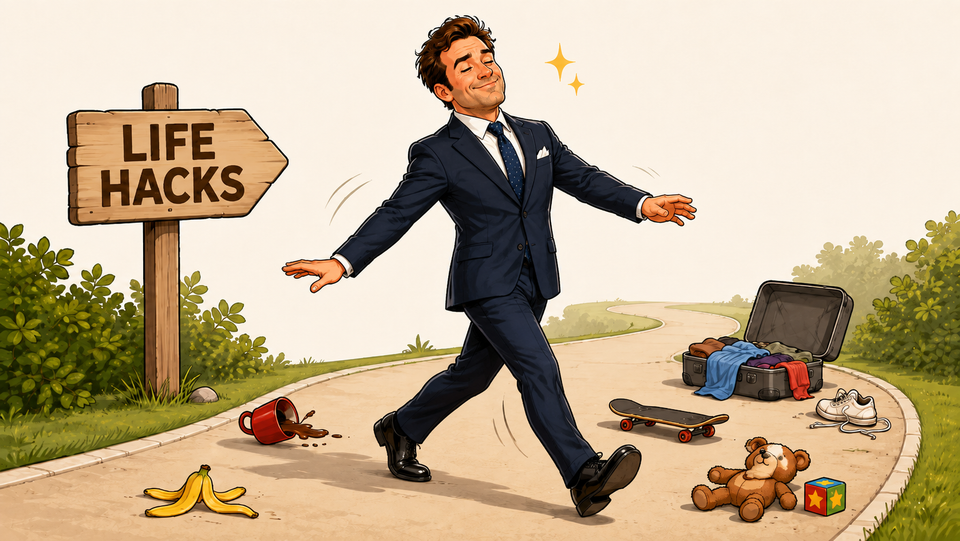
Over the years, I’ve come up with a few little rules and tricks that make life easier, safer, or just a bit more efficient. Most are pretty simple, but they’ve saved me time, prevented mistakes, and occasionally kept a small problem from becoming a big one. I’ve given some of them names along the way, and together they’ve become my own personal collection of life hacks.
The Pants Principle
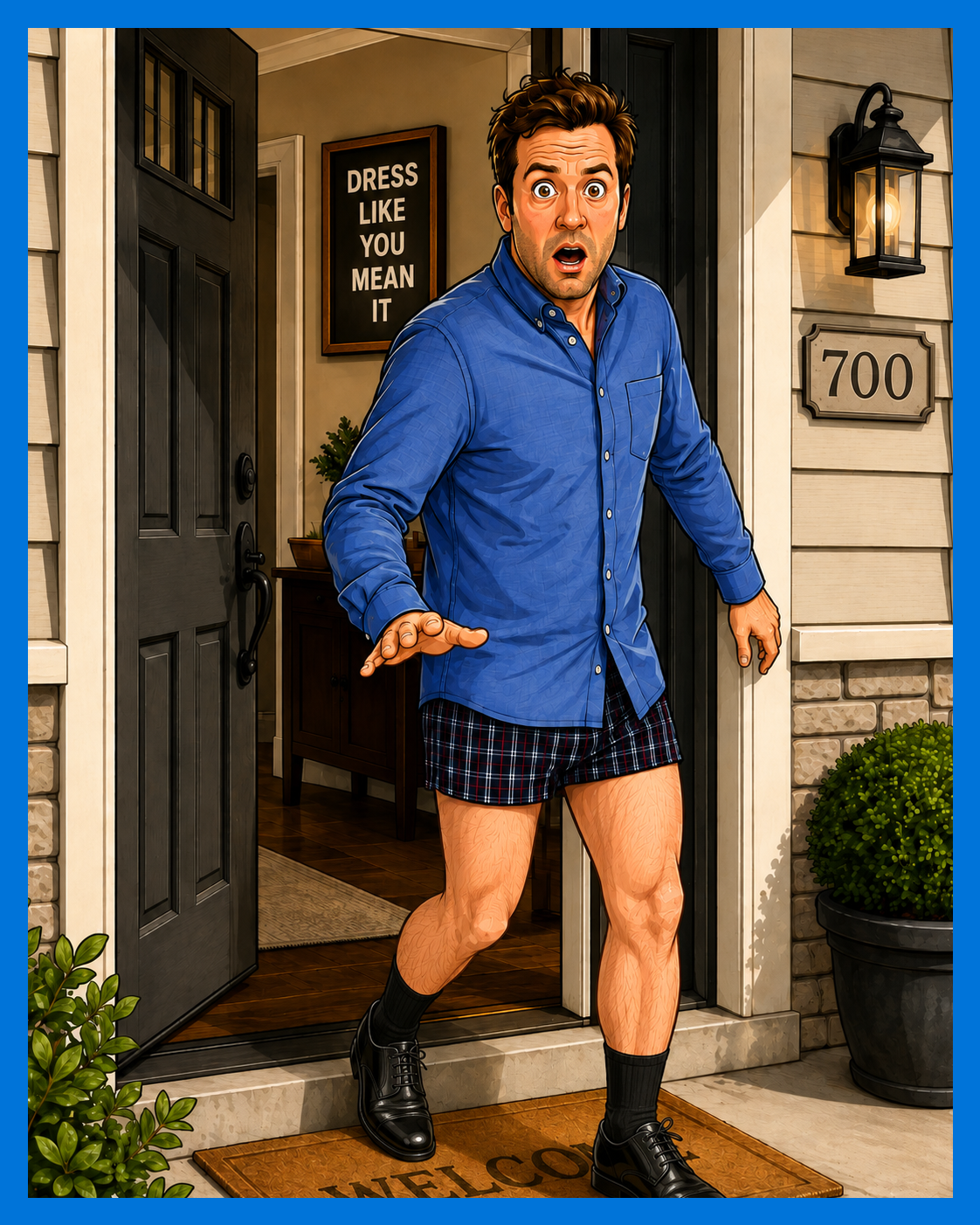
When you have two things to remember, do the thing you might forget first. Leave the thing you couldn’t possibly forget for last.
Imagine you walk into a room. You need to feed the goldfish and put your pants on before heading out. If you put your pants on first, you could forget that you were going to feed the goldfish. Poor, poor goldfish! But if you feed the goldfish first, for sure you will not walk out of the house without your pants!
ABF
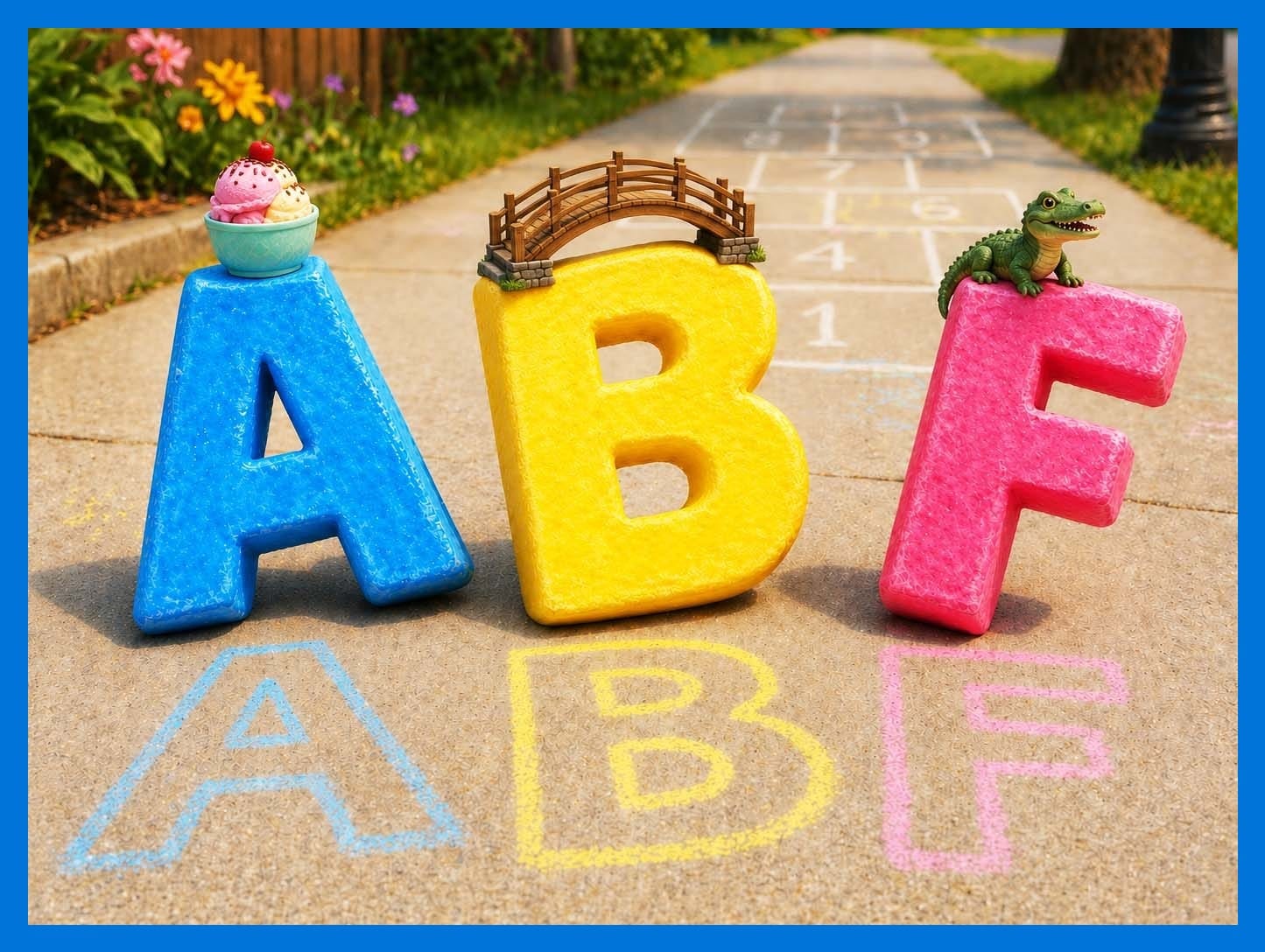
A, B, and F are like letter grades in school, but here they represent the possible outcomes of a decision.
A is the best possible outcome. F is the worst. B is somewhere in the middle.
This picture sums up the idea nicely:
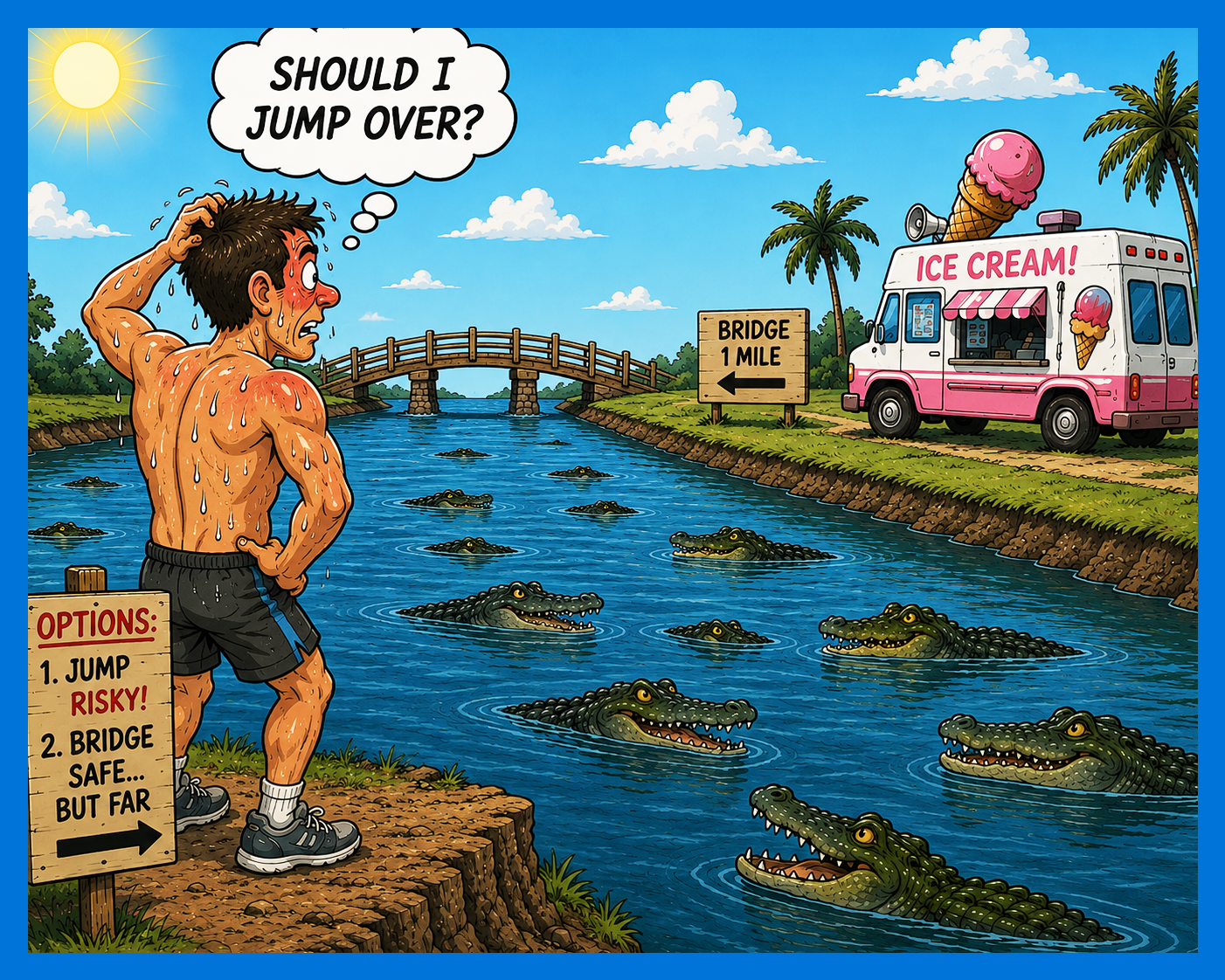
If our hot and sweaty fellow jumps across the canal to reach the ice cream as quickly as possible and "goes for the A", he might make it. That would be the best possible outcome. But if he fails and gets eaten by alligators, he "buys the F", the worst possible outcome.
It's only by going for the A that he could possibly end up with the F.
By walking a mile to the bridge and crossing safely, "taking the B", he still gets the ice cream, but it takes much longer. He is guaranteed not to achieve the best possible outcome, the A. But he is also guaranteed to avoid the worst possible outcome, the F.
Going for the A gives you a chance at the best outcome—but it may also expose you to the F. Taking the B gives up the possibility of the A, but protects you from the F.
Sometimes it's appropriate to "go for the A". At other times, it's more prudent to "take the B". The specific situation and your assessment of it will guide your decision.
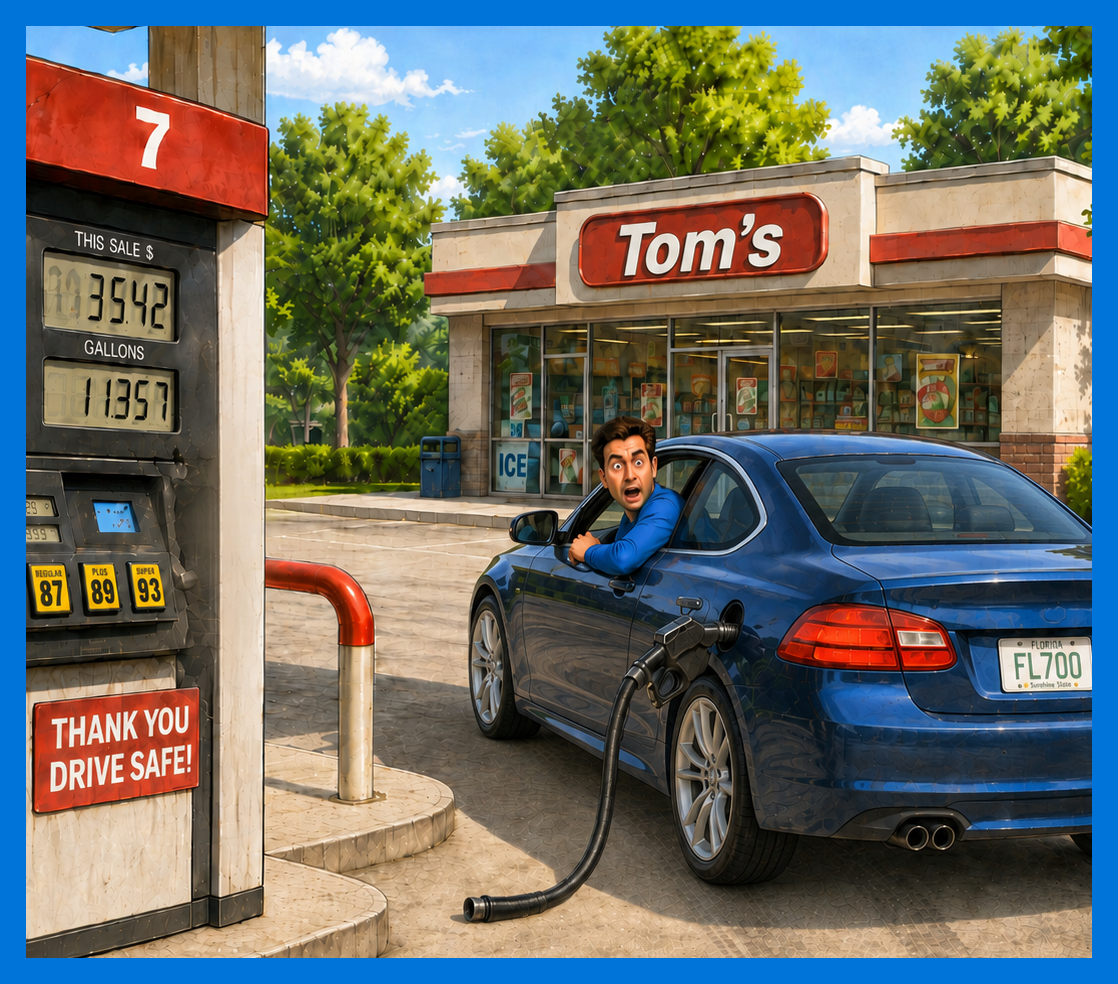
Take One Minute Check (TOM check)
A small investment of time at just the right moment can sometimes save you a lot of grief later.
You’re leaving a restaurant with your kids and everyone is in a hurry. A ten-second look around the table might save you a forty-minute round trip later to retrieve a forgotten toy.
Or, if you do like a friend of mine did many years ago, you might accidentally drive off after getting gas with the fuel nozzle still in the car's gas tank!
What these examples have in common is that by taking just one minute, or even just a few seconds, at the right time you might save yourself time and anguish later.
Run that TOM check. It’s cheap insurance, and you might be glad you did!
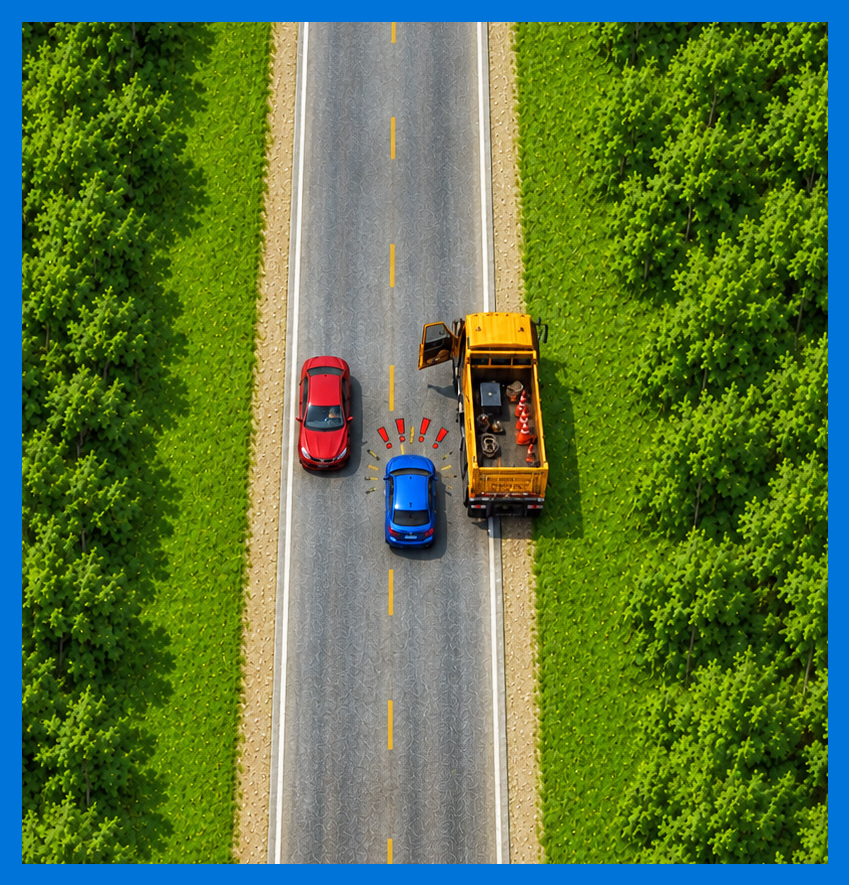
Event Simultaneity
Simultaneity simply means two or more separate events happening at the same time.
Often, neither event would cause much trouble by itself. The problem comes when they occur together.
An open suitcase on your bedroom floor is no big deal. A dark bedroom is no big deal. But walk through that dark bedroom while the suitcase is lying open on the floor, and suddenly two harmless conditions have combined to create a problem.
The lesson is to watch for problems that can stack on top of one another. Something that is safe under normal conditions may become dangerous when another condition occurs at the same time.
The more potential problems you can separate—in time, distance, or circumstance—the less likely they are to combine into something serious.
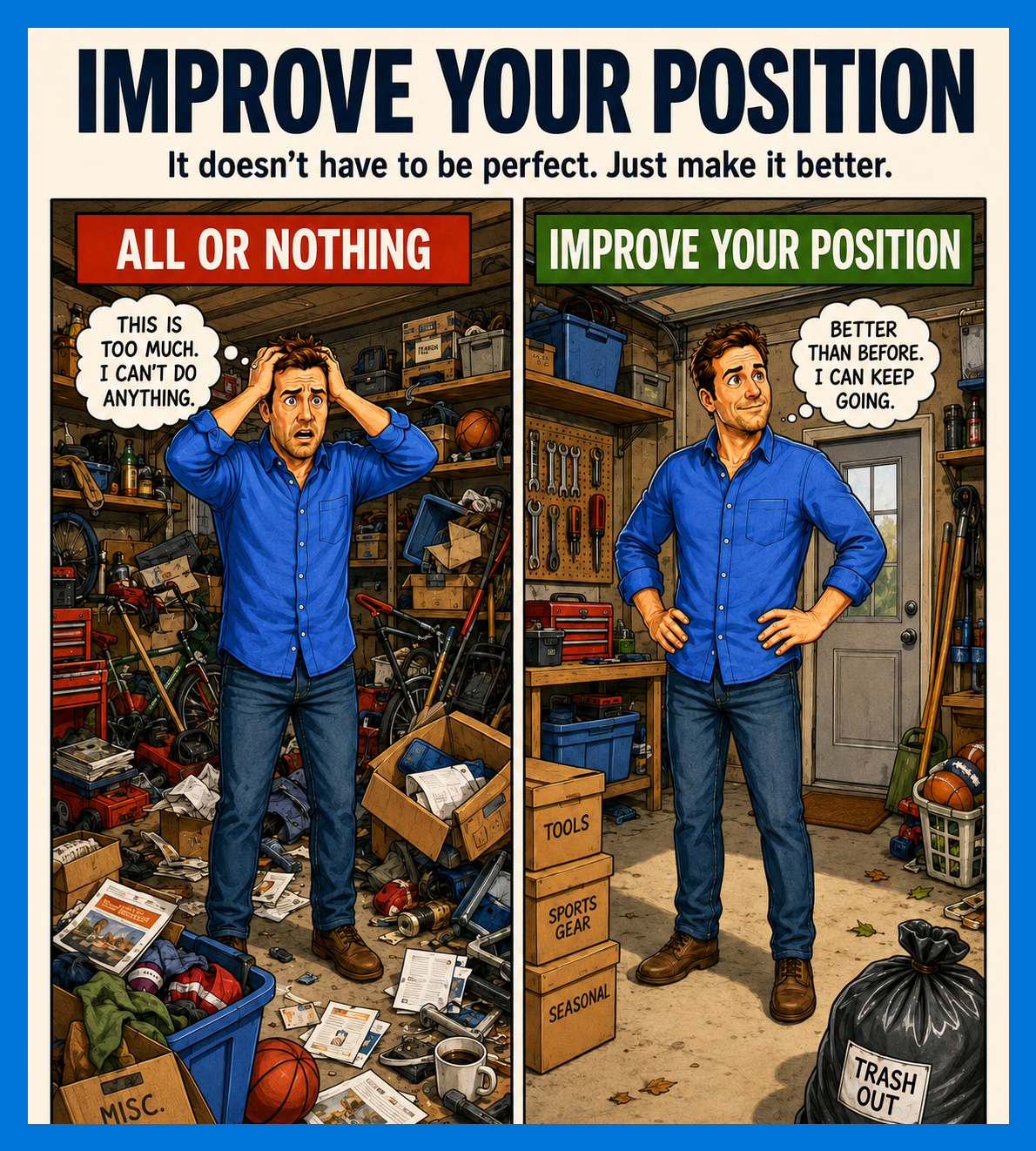
Improve your position
When you can’t—or don’t need to—solve something completely right now, do whatever you can to leave yourself in a better position than you started. Progress doesn’t have to mean completion. Sometimes the smart move is to make the situation 20%, 50%, or 80% better today and finish the rest later.
Don’t let “I can’t finish it” become a reason for “I won’t improve it.”
For example, that quart of ice cream in your car needs to end up in the house freezer, but you’re in a hurry to leave. Instead of taking the time to bring it all the way inside, put it in the garage freezer. Now you can leave, and the ice cream won’t melt in the car. Later, when you have the time, you can move it from the garage freezer to the house freezer.
You didn’t complete the entire task at once, but you solved the immediate problem and improved your position. The ice cream is safe, you’re free to leave, and finishing the job later will be easy. You didn’t finish the task—you improved your position. Sometimes that’s all you need to do.
Stated another way - don't let perfect be the enemy of good!

Win and Walk
If you’re gambling and you find yourself ahead, you have a choice: keep playing and put those winnings back at risk or recognize that you’ve already won and walk away.
Win and Walk means having the discipline to leave while you’re still a winner.
The temptation is always to turn a good win into a bigger one. But every additional bet gives the game another opportunity to take your winnings back.
This applies as much in life and investing as it does in the casino.
Being ahead is temporary. Walking away makes it permanent. Win and walk!
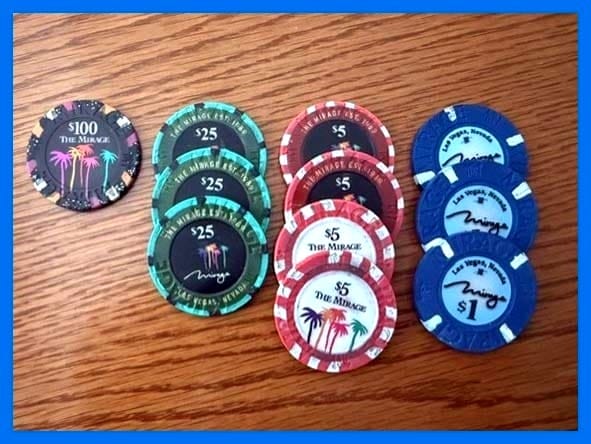
Question: What are my Mirage casino chips from Las Vegas worth today?
⚠️ Spoiler — Click here to reveal answer
- In 2023, when I brought them home from Las Vegas, they were worth their face value of $198.
- In 2024, after the Mirage casino closed and I missed the turn-in window, they were worth $0.
- In 2026, now they are worth $350-$400 for their collector value!